In Scrum, the product backlog is far from being a static list. It’s a dynamic, evolving tool that continuously adapts as the needs of the product, team, and stakeholders shift over time.
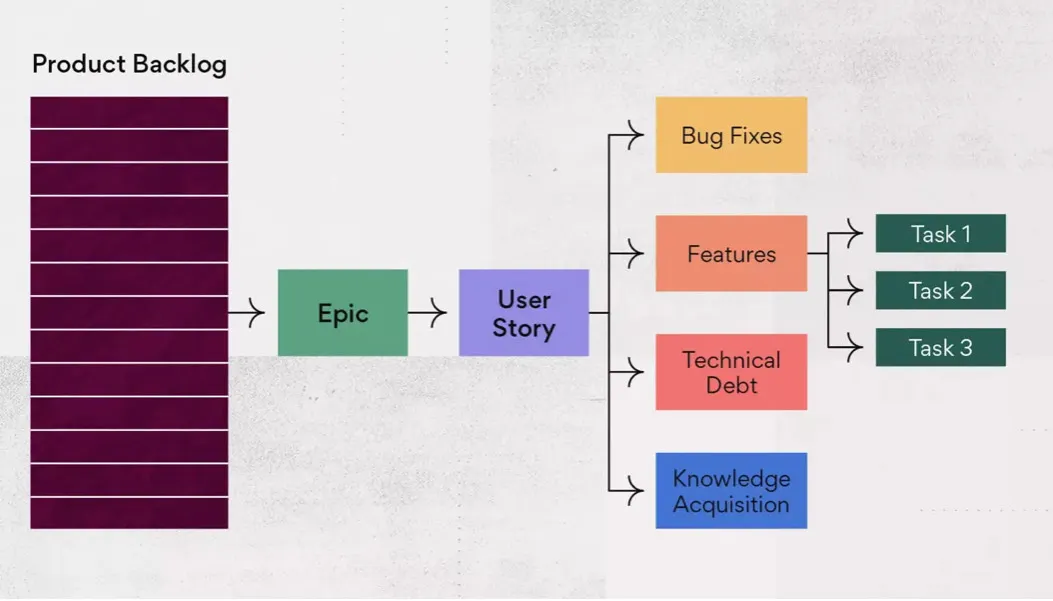
In Scrum, the product backlog is far from being a static list. It’s a dynamic, evolving tool that continuously adapts as the needs of the product, team, and stakeholders shift over time.
𝗕𝗮𝗰𝗸𝗹𝗼𝗴 𝗢𝘄𝗻𝗲𝗿𝘀𝗵𝗶𝗽
While the product backlog is shaped through collaboration, the 𝗣𝗿𝗼𝗱𝘂𝗰𝘁 𝗢𝘄𝗻𝗲𝗿 holds the ultimate responsibility for its content. They ensure that the backlog is clear, well-prioritized, and aligned with the product vision. The Product Owner manages and organizes the backlog, while input from the team and stakeholders helps to shape and refine it, ensuring it reflects the evolving priorities.
𝗜𝗻𝗶𝘁𝗶𝗮𝗹 𝗕𝗮𝗰𝗸𝗹𝗼𝗴 𝗜𝘁𝗲𝗺𝘀
When the product backlog is first created, it often contains high-level, overarching items that lay the groundwork for future work. These initial items might include:
• 𝗕𝗿𝗼𝗮𝗱 𝗳𝗲𝗮𝘁𝘂𝗿𝗲 𝘀𝗲𝘁𝘀
• 𝗖𝗼𝗻𝗰𝗲𝗽𝘁𝘂𝗮𝗹 𝗶𝗱𝗲𝗮𝘀
• 𝗟𝗼𝘄-𝗽𝗿𝗶𝗼𝗿𝗶𝘁𝘆, 𝗹𝗼𝗻𝗴-𝘁𝗲𝗿𝗺 𝗴𝗼𝗮𝗹𝘀
𝗪𝗵𝗮𝘁 𝗚𝗲𝘁𝘀 𝗔𝗱𝗱𝗲𝗱 𝘁𝗼 𝘁𝗵𝗲 𝗕𝗮𝗰𝗸𝗹𝗼𝗴?
As the product evolves, the backlog naturally expands with new needs and priorities. 𝗧𝗵𝗶𝘀 𝗶𝗻𝗰𝗹𝘂𝗱𝗲𝘀:
• Emerging feature ideas or enhancements
• Feedback from developers, stakeholders, and experts
• Identifying areas where technical debt should be addressed
• Updates or changes to the system architecture or design
• Bug fixes, ranging from minor issues to critical flaws
• Essential technical work, such as infrastructure setup or tooling requirements
The backlog is never static, it grows and adapts, reflecting the shifting landscape of the product, team insights, and stakeholder needs.